









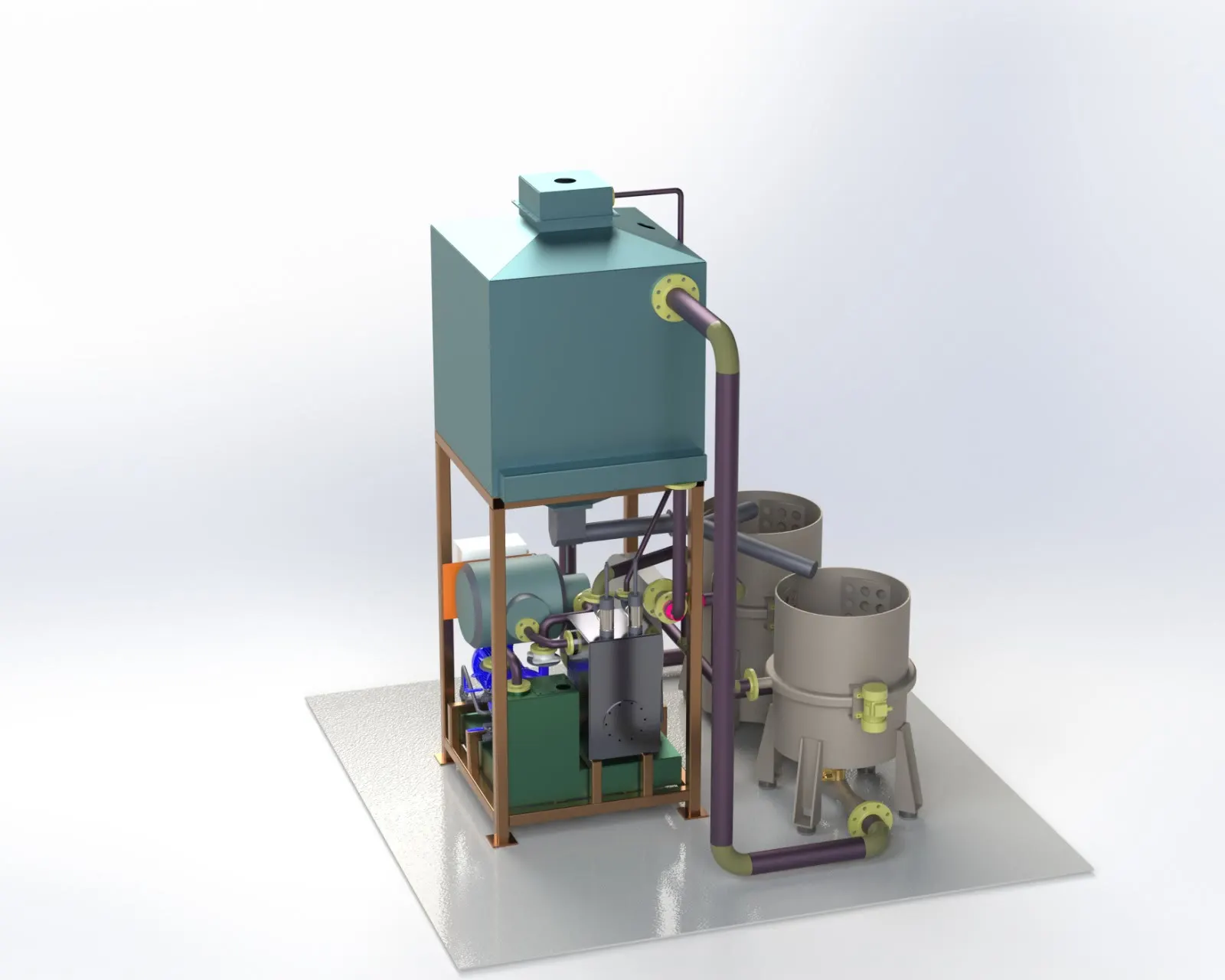
| Output | 40-50 t/month |
|---|---|
| Casting processes | lost foam (LFC), V-process, no-bake, gravity die, centrifugal |
| Payback | 6-8 months |
| Revenue potential | at 30-40 t/month, $40,000-50,000 per month |
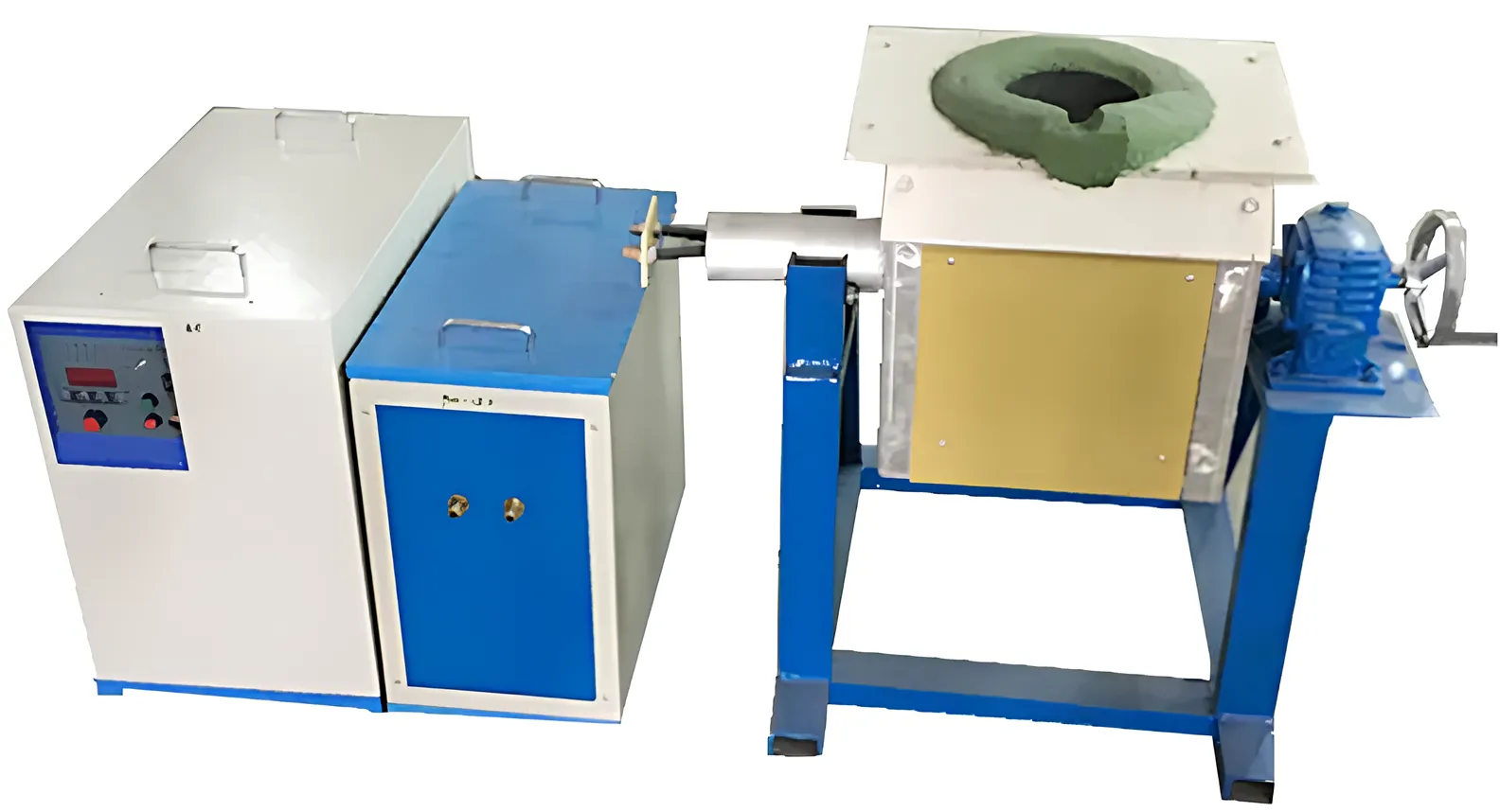
| Melting | 80 kg induction furnace, 160 kg induction furnace for iron, resistance furnace |
| Molding | monoblock unit with two flasks, V-process cell, no-bake equipment |
| Base mold size | up to 700x700 mm; expandable to 1000x1000 mm and beyond |
| Cores | core shop plus vacuum core technology |
| Quality control | laboratory unit for chemical analysis, viscometer |
| Scale-up potential | to 500-1000 t/month with additional furnaces |
Every innovation in one project
The UNIQUE plant carries Modern Technologies’ own developments:
- Vacuum core technology - vacuum, sand and a special film instead of binders: high-strength, accurate cores and better internal surfaces on the casting.
- The hybrid lost foam plus V-process route - casting billets for machining with high accuracy and a clean surface; it also turns scrap and swarf into squares, rounds and hexagons.
- Vertical V-process molding - parts with dense metal and minimal shrinkage.
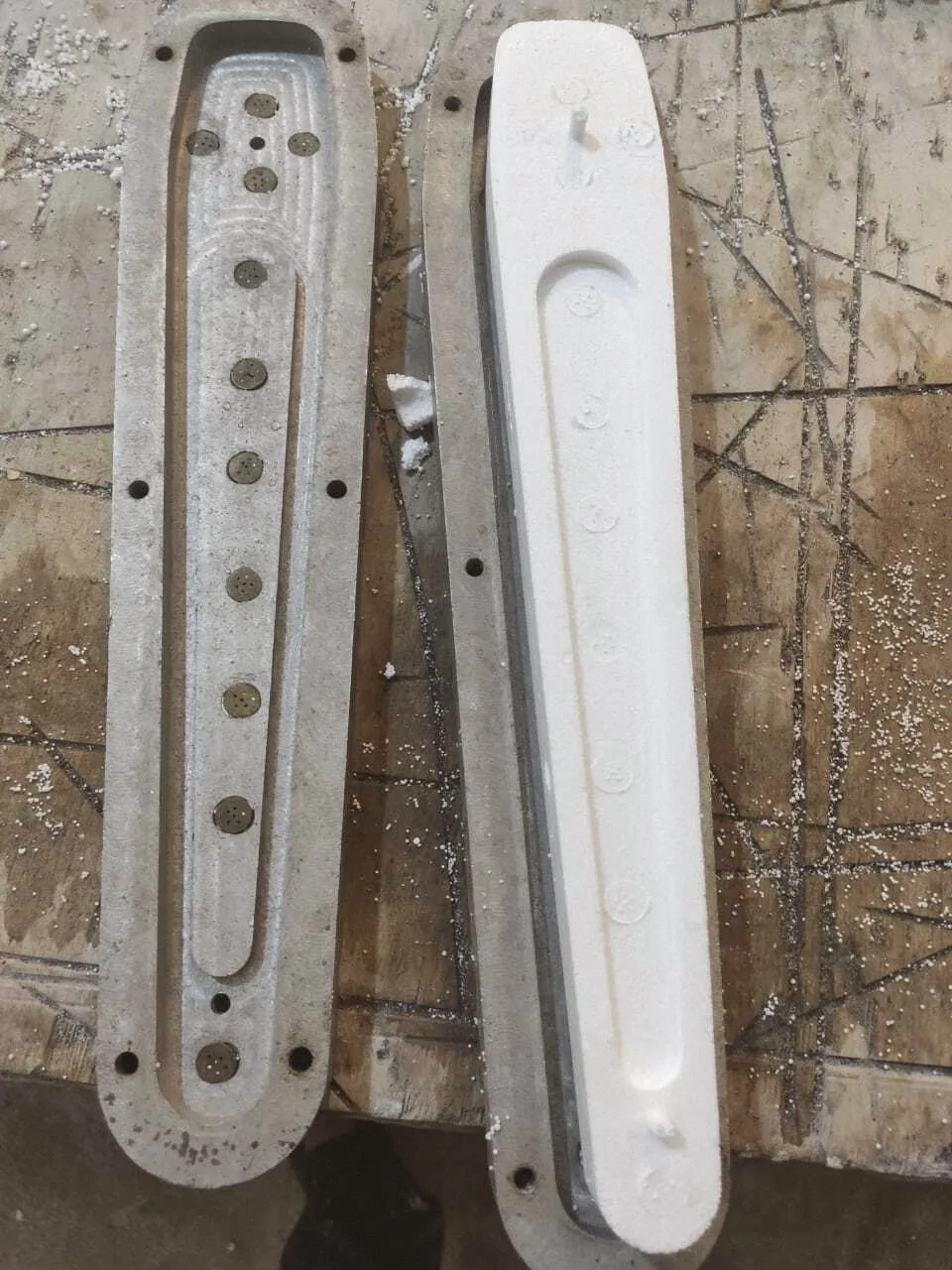
- Lost foam innovations - monoblock units and simplified semi-automatic and automatic machines for foam pattern production.
What the complex contains
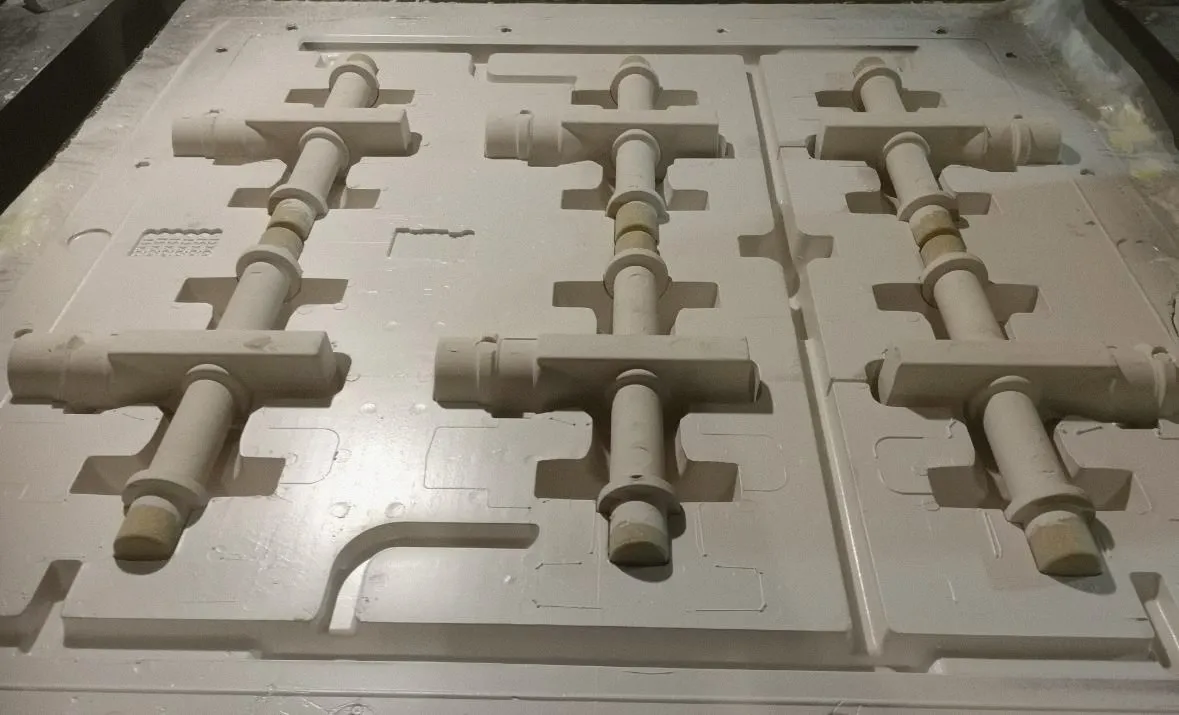
Lost foam line. A complete cell: furnaces, pattern machines, flasks, vacuum systems and the supporting equipment.
V-process cell. Safety-critical castings without binders - savings on molding materials and high dimensional accuracy.
Centrifugal casting machine. Thin-walled cylindrical blanks with dense metal and a good surface: bushings, tubes and rings.
Gravity die casting machine. Accurate castings with minimal shrinkage; a reusable die brings the unit cost down.
No-bake equipment. Molds and cores for complex, safety-critical castings with low labor input.
Core shop. A full core-making cycle for every casting process on site.
Key advantages
- Fast payback - 6-8 months once production runs across all processes.
- Revenue potential - at a load of 30-40 tonnes a month, income can reach $40,000-50,000.
- An end-to-end approach - training, pattern tooling and support during start-up.
- Room to grow - upgrade the furnaces, increase flask sizes and extend the foundry cell as orders grow.
How we work
Before we start, we assess the partner company: its capabilities, goals and resources. That lets us shape the project so it reaches payback and growth as quickly as possible.
What is included
- Monoblock unit with two flasks
- 80 kg induction furnace
- 160 kg induction furnace for iron
- Resistance furnace
- PA-400 semi-automatic pattern machine with pre-expander
- Bead blowing unit
- Drying cabinet
- Dissolver for refractory coating
- Casting ladle
- Foam milling machine
- Hot-wire cutting machine
- V-process cell for binder-free casting
- No-bake (cold-setting sand) equipment
- Gravity die casting machine
- Centrifugal casting machine
- Core shop
- Tumbling barrel
- Laboratory unit for chemical analysis of heats
- Filter unit
- Viscometer
- Foundry hand tools
- Personal protective equipment (PPE)
What the delivery includes
- Training in lost foam casting (LFC): molds around foam patterns, accurate geometry for complex, lightweight parts.
- Training in the V-process, including vertical molding: batch steel and iron parts without complex tooling.
- Training in no-bake casting: molds and cores from cold-setting sand for one-off, small-batch and large castings.
- Training in no-bake work with epoxy resin and foam patterns: using a foam pattern as a full die.
- Training in gravity die casting: batch aluminum and non-ferrous parts with minimal shrinkage.
- Training in centrifugal casting: bushings, liners and rings with dense, inclusion-free metal.
- Training on the 3D scanner: capturing the geometry of existing parts without drawings.
- Training on the CNC machines used to cut foam patterns for lost foam and V-process casting.
- Training in the hybrid lost foam plus V-process route: turning scrap and swarf into cast billets - squares, rounds and hexagons.
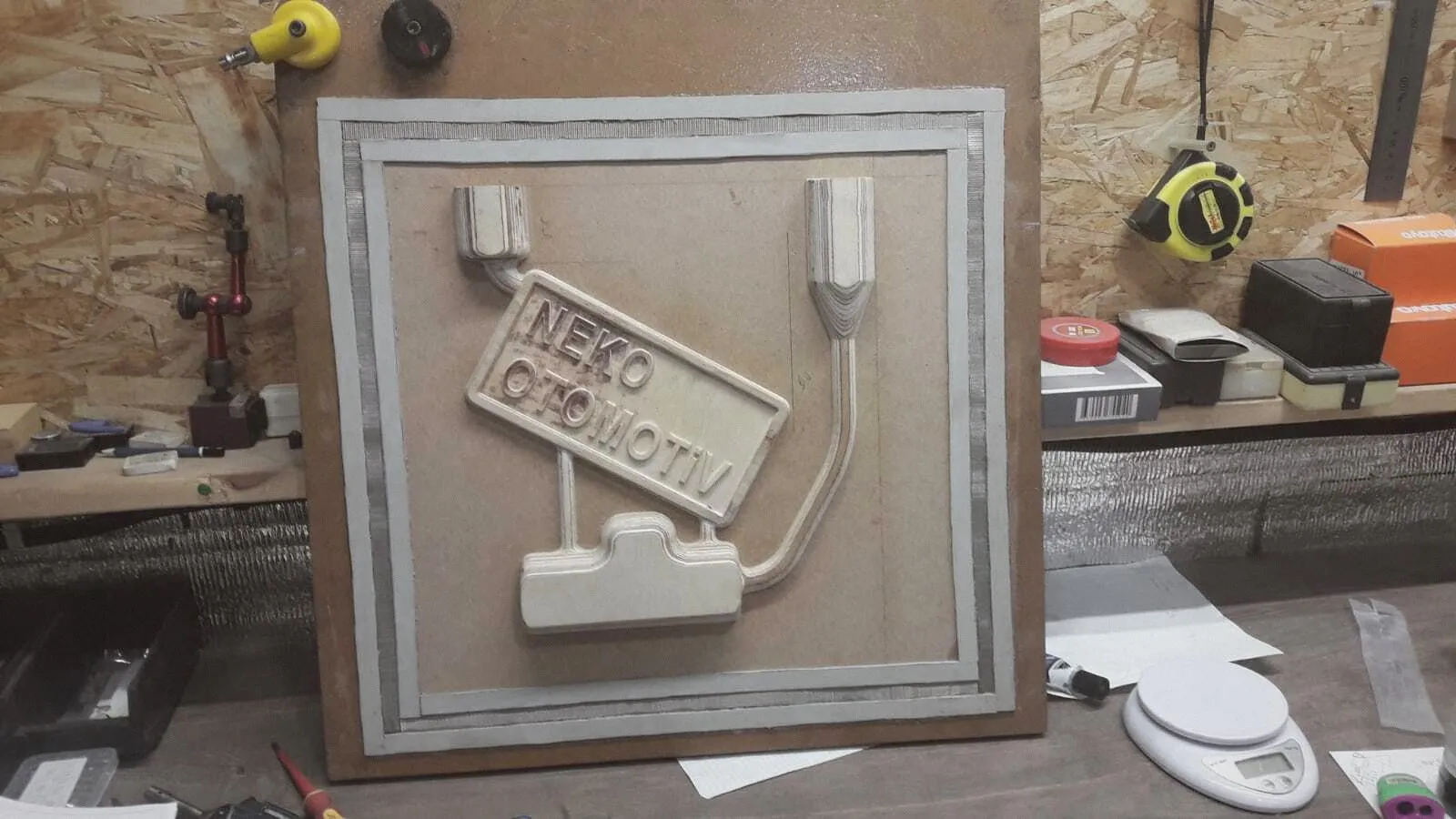
- Training in reverse engineering: recreating a part through a foam pattern and a lost foam or no-bake casting.
- Training in vacuum core technology: high-strength, accurate cores formed under reduced pressure.
Delivery is quoted separately depending on the destination.
Frequently asked questions
Why five processes in one plant?
Each covers its own class of orders: lost foam for complex shaped parts, the V-process for accurate binder-free castings, no-bake for large and one-off work, gravity die for batch non-ferrous parts and centrifugal casting for bushings and rings. One plant can take orders that would normally need three separate foundries.
What is the payback on the UNIQUE plant?
6-8 months. At a load of 30-40 tonnes a month, income can reach $40,000-50,000 per month.
How can the plant be scaled after start-up?
By adding larger furnaces - up to 500-1000 tonnes a month - increasing flasks from 700x700 to 1000x1000 mm and beyond, and developing any single process into a dedicated line. A separate in-house pattern and tooling shop can be set up from $100,000.
Request a quote
Send us a drawing or a photo of the part. We will work out the process, the plant configuration and the price.