









Food and Medicinal Powders from Plant and Animal Agricultural Feedstock
- Production of food and medicinal powders from secondary agricultural feedstock (using orange waste as an example) Main problem: Processing oranges into juice generates solid waste (peel, pulp) that is not used efficiently, creating economic and environmental costs. Proposed solution: Processing this waste into valuable powders for the food and pharmaceutical industries.
Key uses for the powders:
- Food industry:
- As a source of dietary fiber and vitamins.
- As a natural flavoring, colorant, or filler.
- Therapeutic and preventive use:
- Production of dietary supplements and pharmaceutical preparations.
- Use of bioactive compounds (such as flavonoids) to support health. Advantages of the approach:
- Economic: Creating additional profit from waste and lowering disposal costs.
- Environmental: Reducing the volume of waste and the burden on the environment.
- Resource-related: Rational, zero-waste use of agricultural feedstock.
The technology for processing secondary feedstock into powders
is a promising direction for creating high-margin, value-added products in line with sustainable development principles.
 UVET technology: innovative processing of feedstock into premium powders:
UVET technology makes it possible to produce a fundamentally new product that cannot be matched by existing global equivalents, as confirmed by biochemical studies. 2. UVET-005 units efficiently and with high quality process a wide range of feedstock - plant, animal, natural, and mineral - into “PREMIUM”-grade powders. 3. The range includes 260 types of powder , meeting Ukraine’s technical specifications:
- 245 types of finely dispersed powders from vegetables, fruits, berries, mushrooms, greens, flowers, and roots.
- 8 types of powder from cooked meat.
- 6 types of powder from grain crops for baby and dietary food.
- 2 types of powder from cocoa products.
The technology solves the problem of disposing of expired products : the units process such waste into useful powders. 5. The resulting powders are used for producing pet food, feed for livestock, poultry, and fish farming, organic fertilizers, and other purposes. 6. This helps reduce the volume of waste sent to landfills and lowers pollution. 7. UVET powders match freeze-dried equivalents in quality while retaining a rich composition. 8. They contain vitamins, antioxidants, and minerals that are not synthesized in the human body and must come from food. 9. Regular consumption of such powders helps prevent premature aging. 10. The technology also helps increase life expectancy by enriching the diet.
Producing powders from plant and animal agricultural feedstock
The market for fruit and vegetable pieces and powders: structure and outlook (2023-2029): The market is segmented by several key parameters:
- By feedstock type: fruit and vegetable ingredients.
- By product type: includes concentrates, pastes, purees, pieces, powders, and NFC juices.
- By application industry: the main ones are beverage, confectionery, bakery, soup, sauce, dairy, and semi-finished product production.
- By geography: the key regions are North America, Europe, APAC, South America, the Middle East, and Africa. Quantitative analysis: market size and forecasts in monetary terms (millions of USD) for each segment through 2029, including an assessment of the COVID-19 pandemic’s impact and current market trends.
Natural superfood powders: In a dynamic market with growing competition, following current trends is key. The main ones include: 1. Health awareness - both personal and for children. 2. Proper nutrition - a drive for a balanced diet and sustained energy. 3. An active lifestyle - growing interest in travel and tourism. 4. Saving time - minimizing time spent on food preparation. 5. Natural cosmetics - using only natural ingredients. Food powders (superfood) are an effective solution matching these trends. They retain the original properties of the products, support balanced nutrition, and save time. The food powder market is a fast-growing industry offering convenient, easily absorbed sources of vitamins, minerals, and nutrients. These products support various goals, from weight control and muscle building to general wellness. A wide assortment with a unique composition and flavor meets the diverse needs of today’s health-conscious consumers.
Fruit and berry powders: Fruits and berries are a valuable source of vitamins, minerals, and antioxidants. Fruit and berry powders are a modern, practical alternative to fresh produce. Their key advantages include: 1. High nutrient concentration: produced using gentle drying, which preserves most of the vitamins and bioactive compounds. 2. Long shelf life: compared with fresh produce, the powders keep their properties for a long time and need no special conditions. 3. Versatility: easily added to smoothies, yogurts, baked goods, porridge, and drinks, enriching their flavor and nutritional value. 4. Ease of use and dosing: eliminate the need for washing, peeling, and processing, saving time. In this way, these powders are an effective way to regularly get beneficial elements, making healthy eating more accessible and simple.
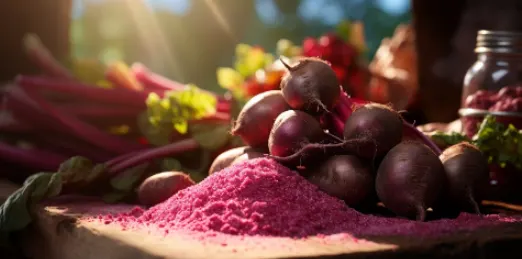
Vegetable powders: Vegetable powders are a concentrated source of nutrients designed to conveniently enrich the diet. Their key features:
- Production: made from fresh vegetables through special processing (drying and grinding), which preserves vitamins, minerals, and fiber.
- Advantages:
- Increase the share of vegetables in the daily diet even when fresh ones are scarce;
- Have a long shelf life and are easy to use.
- Application: easily added to smoothies, soups, sauces, baked goods, and other dishes without changing their texture.
- Benefits: support balanced nutrition, strengthen immunity, and maintain digestive health. In this way, vegetable powders are a practical solution for the modern diet, combining the benefits of vegetables with minimal time spent.
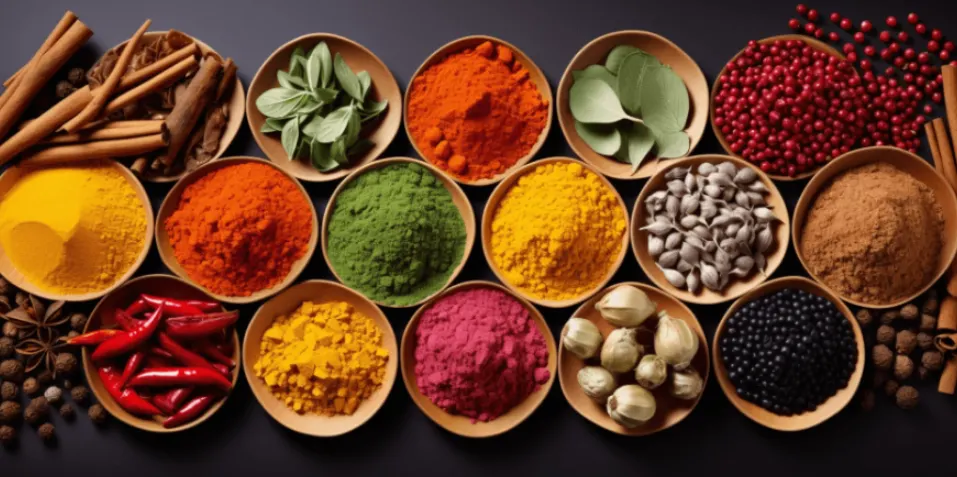
Food coloring in the context of healthy eating: The topic of natural food colorings is becoming ever more relevant due to growing demand for safe, environmentally friendly products. Key aspects: 1. The trend toward safety and naturalness - consumers are drawn to a diet that combines health benefits, variety, and visual appeal. 2. The role of natural colorings - they add vibrancy to dishes while preserving their beneficial properties. 3. Practical application - such colorings become a tool for creating colorful, healthy products. In this way, natural colorings meet today’s nutritional requirements, combining aesthetics and health benefits.


Get a quote
Send us a drawing or a photo of the part. We will work out the process, the plant configuration and the price.