









Tilt-Pour Chill Casting
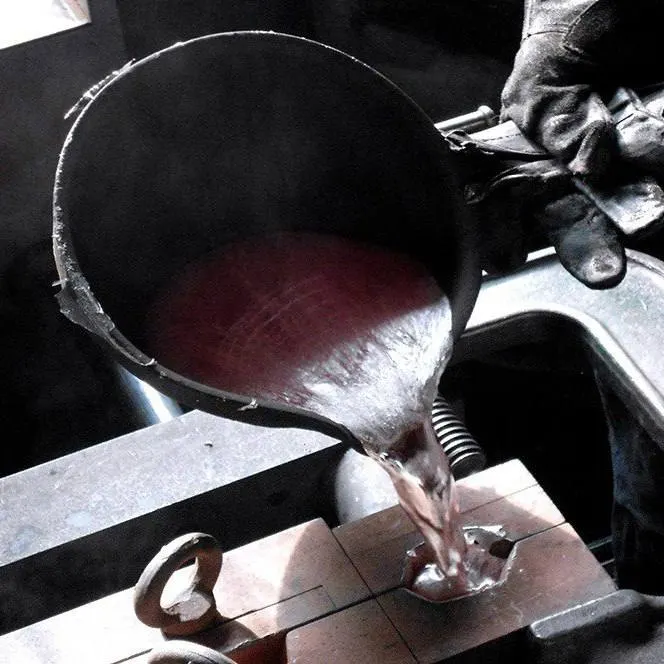
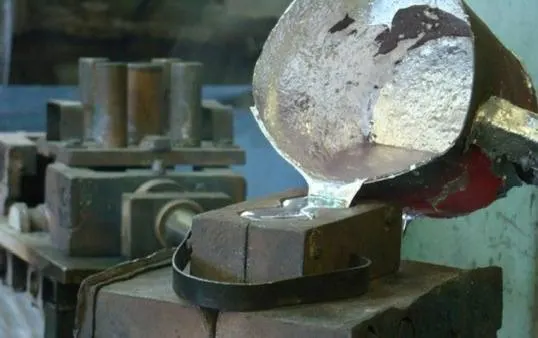
- Tilt-pour chill casting: technology and equipment Tilt-pour chill casting is a high-tech process for producing castings in metal molds, involving mechanized rotation of the mold during or after pouring. This technology is used for aluminum, copper, and iron alloys, increasing structural density, reducing gas porosity, and improving mold fill.
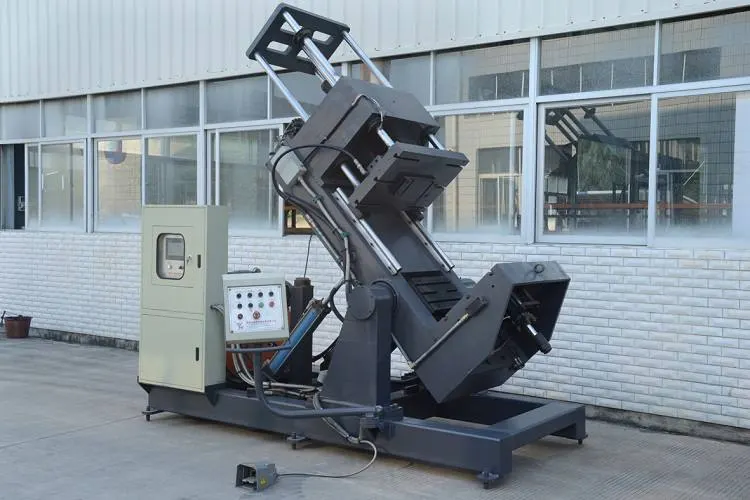
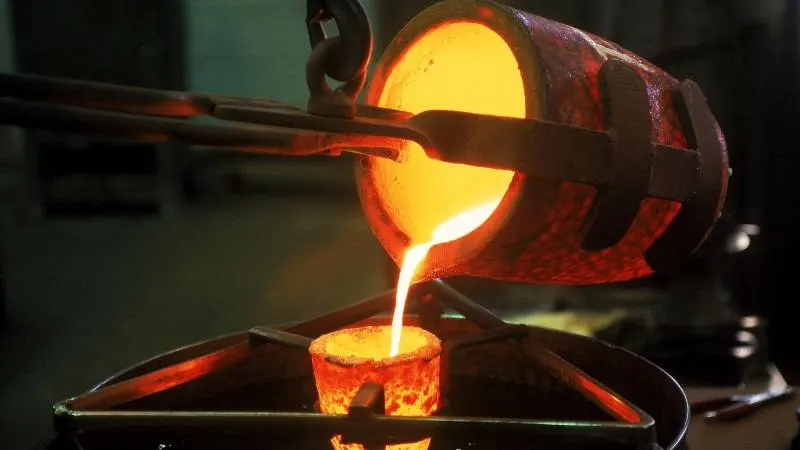
A typical mini-plant configuration includes: A melting section, where an induction or crucible furnace maintains a stable melt temperature and controls chemical composition, with an additional refining and degassing unit. A pouring section, equipped with a ladle with a precision metered-pour mechanism and the option to integrate semi-automatic or automatic metal feed into the mold. The tilting chill-casting machine - the line’s core unit, comprising a metal mold (a split, water-cooled die), a rotation mechanism (typically 90°-180°), a drive (hydraulic or electromechanical), and a clamping and cooling system. A cooling and temperature control system, regulating mold temperature to ensure cycle repeatability and stable quality. A casting removal and cleaning section, equipped with a mold-opening mechanism and equipment for removing gates, flash, and initial cleaning. Auxiliary systems: ventilation and gas cleaning, a lubricant feed system, compressor equipment, and an automation system.
Process advantages include:
- High geometric repeatability.
- Improved mechanical properties compared with sand molds.
- Lower scrap rates and the option of partial automation. Typical products
- bushings, housings, wheel components, machining blanks, and machine-building parts.
This kind of mini-plant
is oriented toward series production with controlled quality parameters and a relatively short casting cycle.
Get a quote
Send us a drawing or a photo of the part. We will work out the process, the plant configuration and the price.