









Art Casting
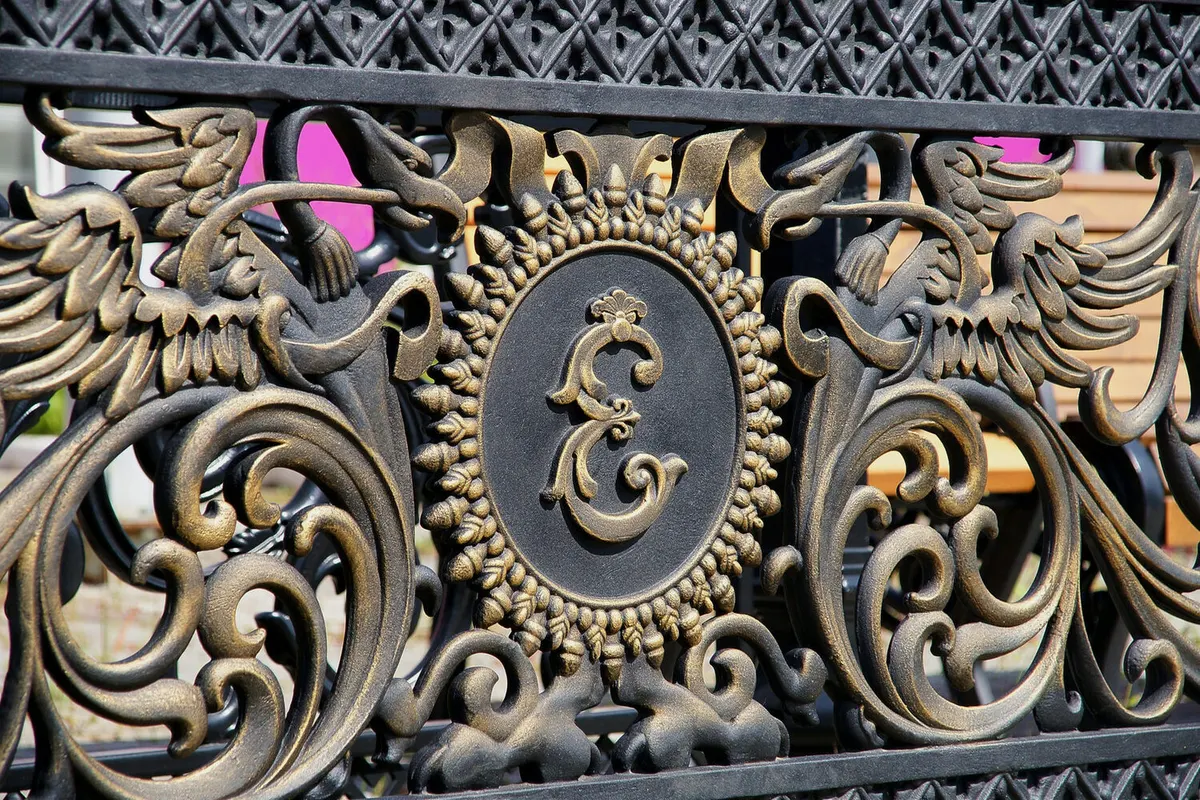
Art casting is the process of making metal items that carry artistic and aesthetic value. Main purpose of art casting:
- creating unique,
- decorative elements,
- ornaments, sculptures,
- interior and exterior elements,
- as well as monuments and memorials. Key technical characteristics of art casting: Material: bronze, iron, brass, aluminum, copper, polymer materials. Casting method: sand casting, chill casting, investment casting, centrifugal casting, and die casting. Size and shape: from small figurines to large architectural elements. Surface quality: from a rough texture to a smooth, mirror-like surface. Strength and durability: high strength and stability, corrosion resistant. Weather resistance: resistant to precipitation, UV radiation, and temperature swings. Aesthetic characteristics: items with a range of textures, patterns, and decorative elements. Additional characteristics: Molding sand moisture content: 4-6%. Gas permeability: 60-100 units Compressive strength: 0.3-0.6 kg/cm². Production capabilities:
- Type of production: Modern Technologies mini-plant
- Casting method: Lost foam casting (LFC) - saves on molds and gives high precision. V-process - replaces existing green-sand and no-bake sand casting technologies at much lower cost and higher quality.
- Floor area: from 200 m²
- Output: from 1,000 items and up.
- Wholesale price in Kazakhstan - from $4 and up
- Margin - 40-70% Kazakhstan market price: By kilogram:
- Aluminum art casting - from ≃ $4.8/kg.
- Cast-iron art casting at $1,000/t (≈ $1/kg); in Ust-Kamenogorsk, SCh15-grade iron can be bought at $4/kg By unit price (finished products):
- Bronze bushing - $15/pc
- Kasli cast-iron figurine - from $20 to $540, busts - about $70 Price depends on material, size, and type of item.
Get a quote
Send us a drawing or a photo of the part. We will work out the process, the plant configuration and the price.